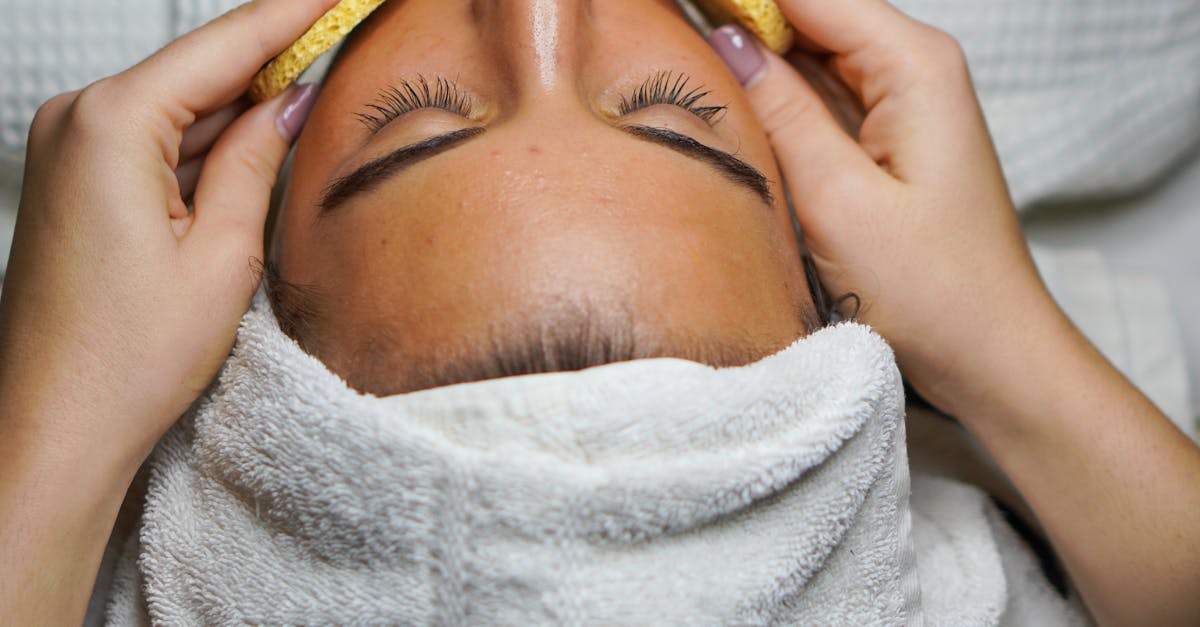
Facials may help alleviate the symptoms of acne in certain circumstances, but they can also worsen the problem.
A facial is a cosmetic treatment that uses a range of methods to clean and enhance the look of the skin on the face. An at-home facial or one performed by a skin care expert are both viable options for those who want one.
Acne facials are the subject of this article, which examines whether they may improve the condition and how. We also take a look at the various dangers.
Acne is a disgusting disease! In addition to affecting your look, acne may have a negative impact on your self-esteem. Acne may be treated in a variety of ways, including at home and at a clinic, but for best results, schedule regular facials. However, before you decide to have a facial, it is important to know which facials are ideal for acne.
Facials of the Past
Acne-prone skin will benefit most from the traditional facial, which is the most basic treatment. Whiteheads and blackheads are removed, dead skin cells are removed, the skin is thoroughly cleansed, and the skin is given basic nutrients throughout this facial. Steaming, massaging, exfoliating, masking, toning, and moisturising are the six easy phases in the method.
Facial Using Microdermabrasion
Using a portable device, this non-invasive cosmetic procedure is one of the quickest methods to get a healthy glow. This facial may help lift the appearance of scars and discolouration. Brighter, smoother, and more uniformly toned skin is the end result of microdermabrasion.
Face Decongestant
Additionally, the Decongesting Facial might be an excellent option for those with oily or acne-prone skin due to its effectiveness in removing the milder types of acne such as blackheads and whiteheads. The goal of a facial is to remove dead skin cells, unclog pores, and reduce the appearance of small outbreaks. Professional resurfacing and pore-digging are what you can expect from a facial. The Decongesting Facial closes pores effectively.
Facial Lights with Diodes
The infrared light emitted by LED facials is a tricolor mixture of white, red, and blue. Your skin’s tone, collagen, and microorganisms are all affected by these lights. As a kind of light treatment, it’s perfect for persons with sensitive skin who want to combat acne.
Facial Brightening
A brightening facial, as the name implies, brightens the skin and makes it seem more radiant. Acne is caused by dark spots, blemishes, and other outbreaks on the skin, which the facial treats. A brightening facial consists of a series of cleansing, peeling, exfoliating, masking, and hydrating processes. Hyperpigmentation, dark patches, and acne scars may all be effectively treated with this facial.
Considerations to make
A common experience for those with acne is a never-ending hunt for a solution.
In this case, a facial isn’t going to do the trick. However, it has the ability to alleviate symptoms.
This relies on a few things: the products you’re using, how often you’re seeing an aesthetician, and how skilled your practitioner is.
It’s important to deal with an experienced specialist who understands your skin type.
When and where to locate a service provider
A dermatologist or an aesthetician are your alternatives.
Acne may be treated by a regular dermatologist; however, a cosmetic dermatologist is more equipped to handle more complicated conditions including scarring or discoloration of the skin.
Facials, peels, and microdermabrasion may all be performed by aestheticians.
The American Academy of Dermatology certifies its board-certified dermatologists. Licensed aestheticians are required in most states.
Regardless of the expert you choose, make sure to ask them the following questions:
- How long have you worked in this field?
- You’re curious about how frequently you do this treatment.
- Please show me examples of your prior customers’ transformations.
See if anybody you know or anyone you may find online has any suggestions. Consult with the professional to ensure you’re at ease and that they can answer any queries you may have.